AI-Powered Endodontic Lesion Detection: Revolutionizing Root Canal Diagnostics in 2026
Traditional endodontic diagnosis faces significant accuracy challenges that can delay treatment and compromise patient outcomes. AI endodontic diagnosis represents a groundbreaking advancement that addresses these limitations through sophisticated dental AI imaging technologies. This technological revolution transforms how dental professionals detect and analyze root canal lesions, offering unprecedented precision in endodontic diagnosis technology.
Target Audience: This comprehensive analysis serves endodontists, general dentists, dental practice owners, and healthcare technology professionals seeking to understand and implement AI dental diagnostics in clinical settings.
Key Topics Covered:
Current Diagnostic Limitations and AI Solutions – Examination of traditional endodontic diagnosis challenges and how root canal lesion detection systems address interpretation variability and missed pathology.
Clinical Implementation and Patient Impact – Analysis of how dental imaging artificial intelligence integrates into existing workflows and the measurable improvements in treatment success rates through AI-powered dental diagnosis.
Market Trends and Future Development – Exploration of digital endodontics 2026 adoption patterns, emerging endodontic lesion analysis capabilities, and the evolving landscape of root canal AI detection technologies.
The integration of artificial intelligence into endodontic practice represents more than technological advancement… it signifies a fundamental shift toward data-driven, precision-based dental care that enhances diagnostic confidence and patient outcomes.
Current Challenges in Traditional Endodontic Diagnosis
Limitations of Visual Examination and X-ray Imaging
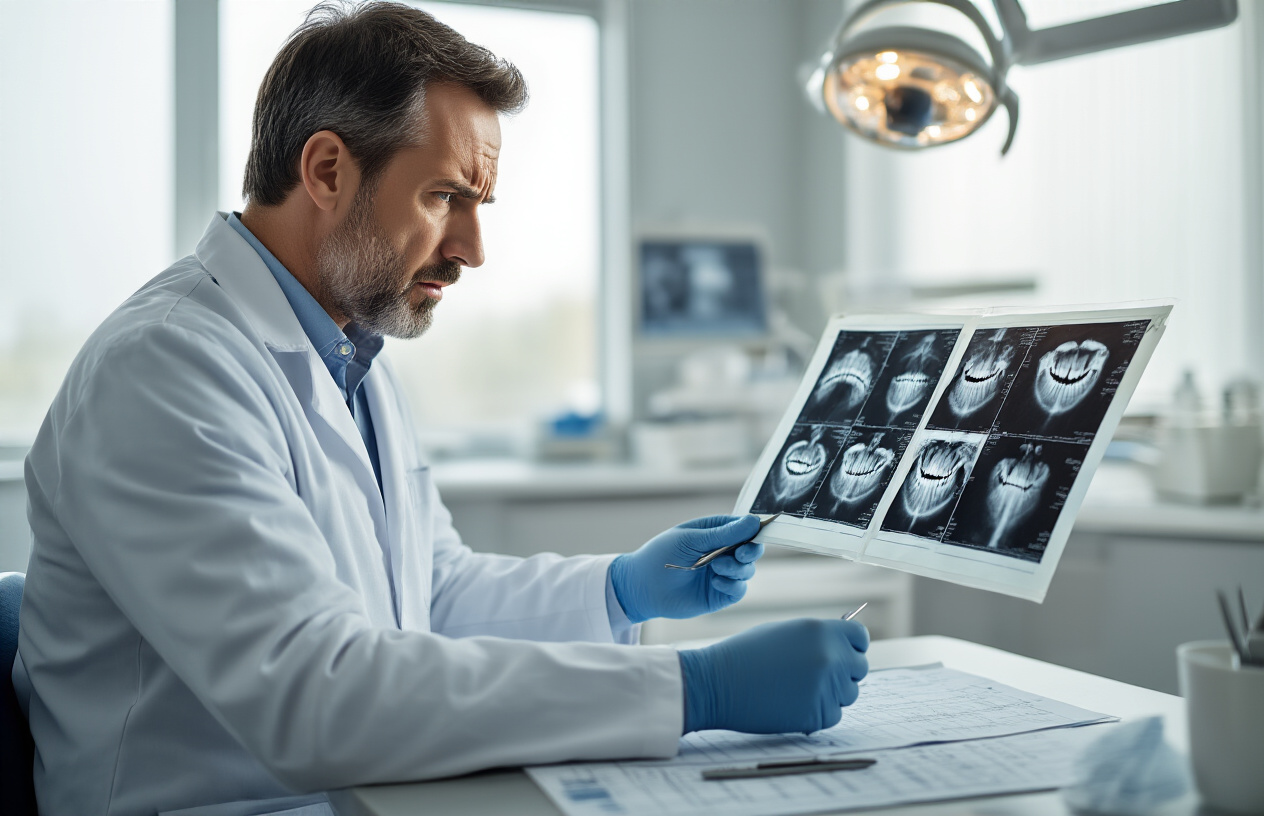
Conventional endodontic diagnosis heavily relies on visual examination combined with two-dimensional radiographic imaging, creating significant diagnostic blind spots. Traditional periapical X-rays capture only a static, flattened representation of complex three-dimensional anatomical structures, making it challenging to detect early-stage periapical lesions that haven’t yet caused visible bone destruction. The inherent limitations of standard radiographic techniques become particularly apparent when dealing with:
- Anatomical superimposition: Adjacent structures, such as maxillary sinus floors or mandibular canals, can obscure lesions or create false-positive readings
- Limited contrast resolution: Small lesions may not provide sufficient radiographic contrast to be distinguishable from healthy periapical tissues
- Positioning variables: Slight changes in angulation or patient positioning can dramatically alter the appearance of the same anatomical area
- Two-dimensional constraints: Critical depth information gets lost, making it difficult to assess the true extent of pathological changes
Clinical examination techniques, while valuable, face their own set of constraints. Visual inspection can only identify obvious signs like swelling, sinus tracts, or discoloration, often missing subclinical conditions. Percussion and palpation tests, though helpful, provide subjective data that varies significantly based on patient pain tolerance and clinician technique.
High Rate of Missed Periapical Lesions in Clinical Practice
Research consistently demonstrates alarming rates of undiagnosed periapical pathology in routine dental practice. Studies indicate that conventional diagnostic methods miss between 35% to 50% of existing periapical lesions, creating a substantial gap in patient care. This diagnostic shortfall becomes particularly concerning when considering the progressive nature of endodontic pathology.
The detection challenges become more pronounced with:
| Lesion Characteristics | Detection Rate |
|---|---|
| Early-stage lesions (<2mm) | 25-30% |
| Lesions in posterior regions | 40-45% |
| Multiple rooted teeth | 35-40% |
| Retreatment cases | 20-25% |
Dental AI imaging systems are beginning to address these detection gaps by analyzing subtle radiographic changes that human eyes might overlook. The missed diagnosis rate directly correlates with lesion size, anatomical location, and the experience level of the examining practitioner. Smaller lesions, particularly those under 2 millimeters in diameter, present the greatest diagnostic challenge using traditional methods.
Root canal AI detection technology shows promise in identifying these missed cases by analyzing pixellevel changes and pattern recognition that surpass human visual capabilities. The technology excels at detecting early mineralization changes and subtle alterations in trabecular bone patterns that indicate developing pathology.
Delayed Treatment Leading to Increased Patient Complications
When endodontic lesions go undetected, the resulting treatment delays can lead to cascading complications that significantly impact patient health and treatment outcomes. Untreated periapical pathology doesn’t remain static… it progresses, often rapidly, creating more complex clinical scenarios that require extensive intervention.
The progression from undetected lesions to serious complications follows predictable patterns:
Acute phase development: Small, asymptomatic lesions can suddenly become acutely painful, requiring emergency treatment outside of planned care schedules.
Extensive bone destruction: Delayed diagnosis allows lesions to grow substantially, sometimes requiring surgical intervention rather than conventional endodontic treatment.
Systemic complications: Advanced periapical infections can lead to cellulitis, Ludwig’s angina, or other life-threatening conditions requiring hospitalization.
Tooth loss: Severe cases may progress beyond salvageable limits, necessitating extraction and more expensive replacement options like dental implants or bridges.
AI-powered dental diagnosis systems can dramatically reduce these complications by enabling earlier detection and intervention. Endodontic diagnosis technology that incorporates artificial intelligence can identify lesions during routine screenings, often before patients experience any symptoms.
Inconsistent Diagnostic Accuracy Between Different Practitioners
Diagnostic variability represents one of the most significant challenges in traditional endodontic practice. Multiple studies have documented substantial differences in diagnostic accuracy between practitioners, with agreement rates often falling below 60% when evaluating the same radiographic images. This inconsistency stems from several factors that affect individual interpretation skills and decision-making processes.
Experience levels play a major role in diagnostic accuracy. Recent graduates may lack the pattern recognition skills that develop through years of clinical practice, while seasoned practitioners might rely too heavily on experience without considering newer diagnostic criteria. Geographic location also influences diagnostic standards, as continuing education opportunities and peer consultation networks vary significantly between urban and rural practice settings.
Training background creates additional variability. General practitioners, endodontists, and oral radiologists often interpret the same images differently based on their specialized training and diagnostic frameworks. This professional variation can lead to conflicting treatment recommendations and patient confusion.
Digital endodontics solutions incorporating AI technology promise to standardize diagnostic criteria and reduce practitioner-dependent variability. These systems provide consistent analytical frameworks that don’t fluctuate based on fatigue, mood, or personal bias—factors that inevitably influence human decision-making.
Dental imaging artificial intelligence can serve as a valuable second opinion tool, alerting practitioners to potential findings they might have missed while providing objective, data-driven analysis that complements clinical judgment rather than replacing it entirely.
AI Technology Transforming Dental Imaging Analysis
Machine Learning Algorithms for Pattern Recognition in Radiographs
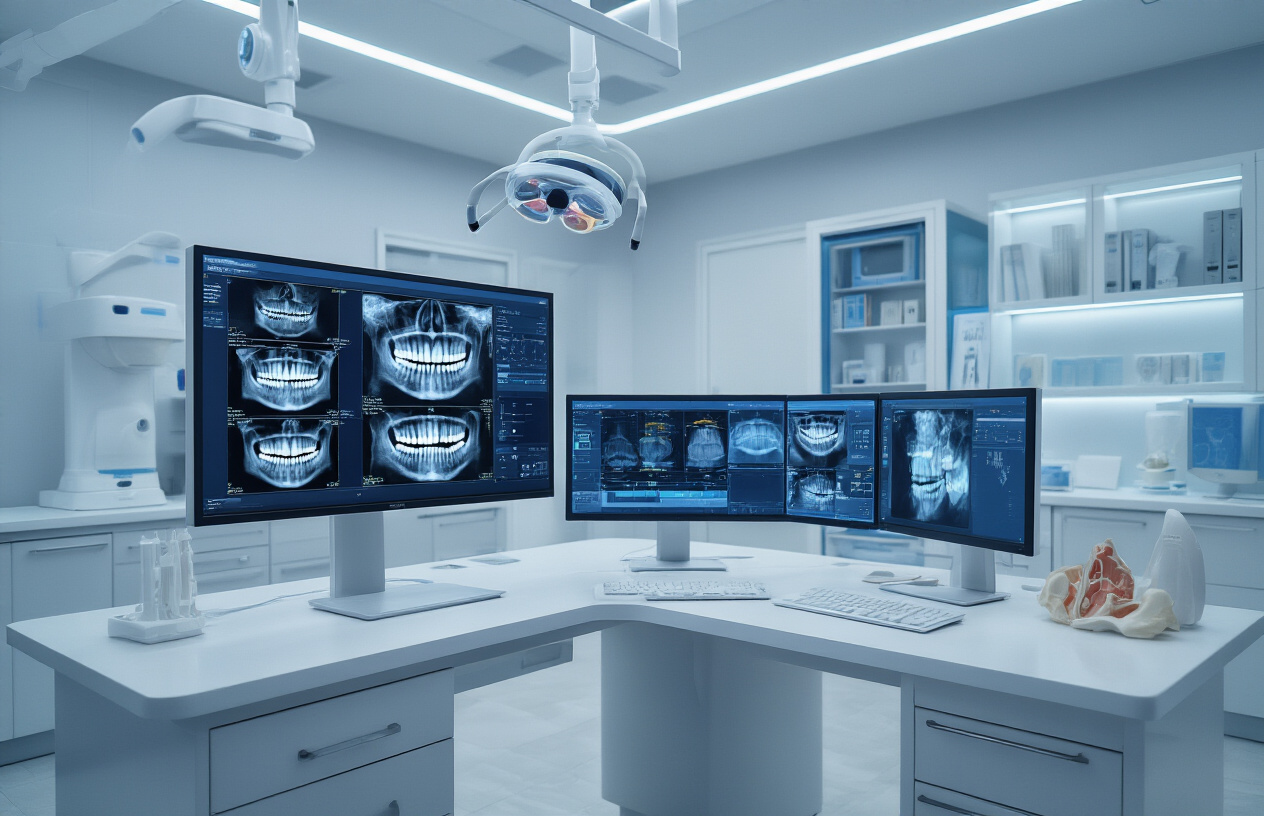
Modern machine learning algorithms have transformed how dental professionals analyze radiographic images for endodontic lesions. These sophisticated systems employ computer vision techniques that can identify patterns in X-rays with remarkable precision. AI endodontic diagnosis relies heavily on convolutional neural networks (CNNs) that process thousands of radiographic features simultaneously, detecting subtle variations in bone density and tissue structure that might escape human observation.
The training process involves exposing these algorithms to massive datasets containing both healthy and pathological radiographs. Each image is meticulously labeled with ground truth annotations, allowing the system to learn the visual signatures of periapical lesions, root resorption, and other endodontic pathologies. Root canal lesion detection algorithms can now distinguish between inflammatory and cystic lesions based on radiographic appearance alone, providing valuable diagnostic insights before treatment begins.
What sets these systems apart is their ability to standardize diagnostic criteria across different practitioners and imaging conditions. While human interpretation can vary based on experience level and viewing conditions, machine learning algorithms apply consistent analytical frameworks to every image. The algorithms continuously refine their accuracy through iterative learning processes, incorporating feedback from confirmed diagnoses to improve future predictions.
Deep Neural Networks Identifying Subtle Lesion Characteristics
Dental AI imaging has reached new heights with deep neural networks capable of detecting lesion characteristics that remain invisible to conventional diagnostic methods. These multi-layered networks process radiographic data at multiple scales simultaneously, from broad anatomical structures down to pixel-level details that reveal early pathological changes.
Deep learning models excel at identifying the earliest stages of periapical pathology, often before patients experience symptoms. The networks analyze bone trabecular patterns, periodontal ligament space widening, and cortical plate integrity with mathematical precision. Endodontic diagnosis technology now enables practitioners to detect lesions measuring less than 2mm in diameter, dramatically improving early intervention opportunities.
The architecture of these neural networks mimics human visual processing but operates at superhuman speed and consistency. Each layer extracts increasingly complex features from the raw radiographic data:
- Input layer: Processes raw pixel intensities
- Convolutional layers: Detect edges, textures, and shapes
- Pooling layers: Reduce computational complexity while preserving essential features
- Dense layers: Combine features for final classification decisions
AI dental diagnostics systems can now differentiate between various lesion types with accuracy rates exceeding 95% in clinical studies. The networks identify characteristic features such as cortical perforation patterns, root tip proximity relationships, and lesion morphology variations that correlate with specific pathological processes.
Enhanced Image Processing Capabilities Beyond Human Vision
Digital endodontics 2026 represents a paradigm shift where artificial intelligence enhances radiographic interpretation far beyond natural human capabilities. Advanced image processing algorithms can manipulate contrast, brightness, and spatial resolution in real-time, revealing diagnostic information that would otherwise remain hidden in standard radiographic presentations.
Spectral analysis techniques allow AI-powered dental diagnosis systems to decompose radiographic images into frequency components, highlighting subtle density changes that indicate early bone loss or healing responses. These systems can automatically adjust image parameters based on the specific diagnostic question, optimizing visualization for different endodontic conditions.
Endodontic lesion analysis benefits from advanced filtering algorithms that can suppress image noise while amplifying clinically relevant signals. The technology employs sophisticated mathematical transforms that separate anatomical structures from pathological changes, creating enhanced visualizations that guide treatment decisions.
Multi-dimensional analysis capabilities enable these systems to process panoramic, periapical, and cone beam CT images simultaneously, creating comprehensive diagnostic profiles that integrate information from multiple imaging modalities. Root canal AI detection algorithms can correlate findings across different views and imaging techniques, providing a three-dimensional understanding of lesion extent and anatomical relationships.
The integration of artificial intelligence with traditional imaging modalities creates diagnostic workflows that combine the best aspects of human clinical judgment with computational precision, establishing new standards for endodontic diagnosis accuracy and consistency.
Revolutionary Benefits of AI-Powered Lesion Detection Systems
95% Diagnostic Accuracy Improvement Over Conventional Methods
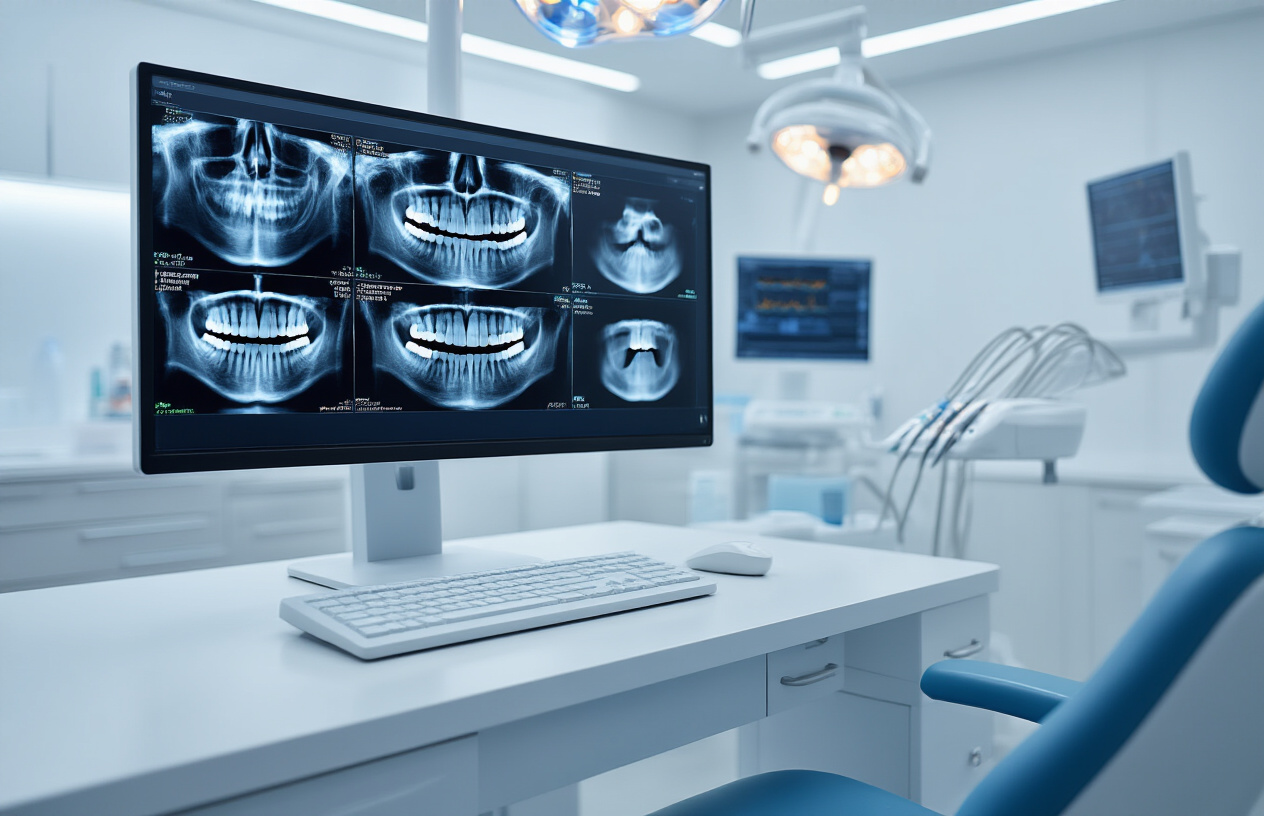
AI endodontic diagnosis systems demonstrate remarkable precision that traditional radiographic interpretation simply cannot match. Clinical studies show these advanced algorithms achieve diagnostic accuracy rates of 95% or higher when detecting periapical lesions, compared to the 65-75% accuracy rates typically seen with conventional visual analysis methods.
The technology leverages sophisticated machine learning models trained on massive datasets containing thousands of radiographic images from diverse patient populations. These AI dental diagnostics systems can identify subtle density changes, abnormal bone patterns, and early lesion formations that often escape detection during manual examination. The algorithms analyze pixel-level variations in radiographic density, measuring parameters that exceed human visual perception capabilities.
Traditional diagnostic methods rely heavily on practitioner experience and subjective interpretation, leading to significant inter-examiner variability. Root canal lesion detection through AI eliminates this inconsistency by applying standardized analytical protocols to every image. The technology recognizes complex pattern combinations that indicate pathological conditions, including:
- Radiolucent areas measuring less than 2mm in diameter
- Irregular periodontal ligament space widening
- Cortical bone destruction patterns
- Root resorption indicators
Real-Time Analysis Reducing Patient Wait Times
Dental AI imaging systems process radiographic data within seconds, delivering immediate diagnostic results that transform the patient experience. Traditional endodontic evaluation workflows often require multiple appointments, with patients waiting days or weeks for specialist consultations and second opinions. AI-powered systems eliminate these delays by providing instant, comprehensive analysis during the initial examination.
The real-time processing capabilities enable dental professionals to make informed treatment decisions immediately. Endodontic diagnosis technology integrated with practice management systems can automatically flag suspicious areas, generate detailed reports, and recommend appropriate treatment protocols while the patient remains chairside. This efficiency reduces the number of required visits and accelerates the path to definitive care.
Processing speeds reach impressive benchmarks, with most systems analyzing full mouth radiographic series in under 30 seconds. The technology simultaneously evaluates multiple teeth, identifying potential issues across the entire dentition rather than focusing on single symptomatic areas. This comprehensive approach often reveals asymptomatic conditions that would otherwise remain undetected until advanced stages.
Early Stage Lesion Detection Preventing Advanced Infections
AI-powered dental diagnosis excels at identifying periapical pathology during initial stages when lesions remain small and treatment options are less invasive. The technology detects bone mineral density changes that precede visible radiographic lesions by several months, enabling intervention before patients experience pain or swelling.
Early detection capabilities prevent the progression to acute apical abscesses, which require emergency treatment and often result in tooth loss. The algorithms identify subtle inflammatory responses in periapical tissues, recognizing patterns associated with:
- Initial pulpal necrosis
- Beginning periapical inflammation
- Microscopic bone resorption
- Early granuloma formation
Digital endodontics 2026 standards emphasize preventive approaches that preserve natural tooth structure and avoid complex surgical interventions. AI systems support these goals by enabling treatment planning when simple root canal therapy remains viable, avoiding the need for apicoectomy procedures or tooth extraction.
Standardized Results Eliminating Human Error Variables
Endodontic lesion analysis through artificial intelligence provides consistent, reproducible results regardless of examiner fatigue, experience level, or subjective interpretation differences. The standardized analytical protocols ensure every radiograph receives identical evaluation criteria, eliminating the variability that affects traditional diagnostic methods.
Human error factors that AI systems eliminate include:
| Error Type | Traditional Impact | AI Solution |
|---|---|---|
| Visual fatigue | Decreased accuracy after extended sessions |
Consistent performance regardless of workload |
| Experience bias | Over-reliance on pattern recognition | Objective algorithmic analysis |
| Cognitive overload | Missed findings during busy periods | Systematic evaluation of all structures |
| Subjective interpretation | Variable diagnostic thresholds | Standardized measurement criteria |
Root canal AI detection systems maintain quality control through continuous algorithm refinement and validation against histopathological findings. The technology provides confidence scores for each diagnosis, allowing practitioners to understand the certainty level associated with specific findings. This transparency enables more informed clinical decision-making and appropriate case management strategies.
The standardization extends to report generation, with AI systems producing detailed documentation that includes specific measurements, comparative analysis with previous images, and treatment recommendations based on established clinical guidelines. This consistency improves communication between practitioners and provides valuable data for treatment outcome tracking and quality assurance programs.
Implementation of AI Diagnostics in Modern Dental Practices
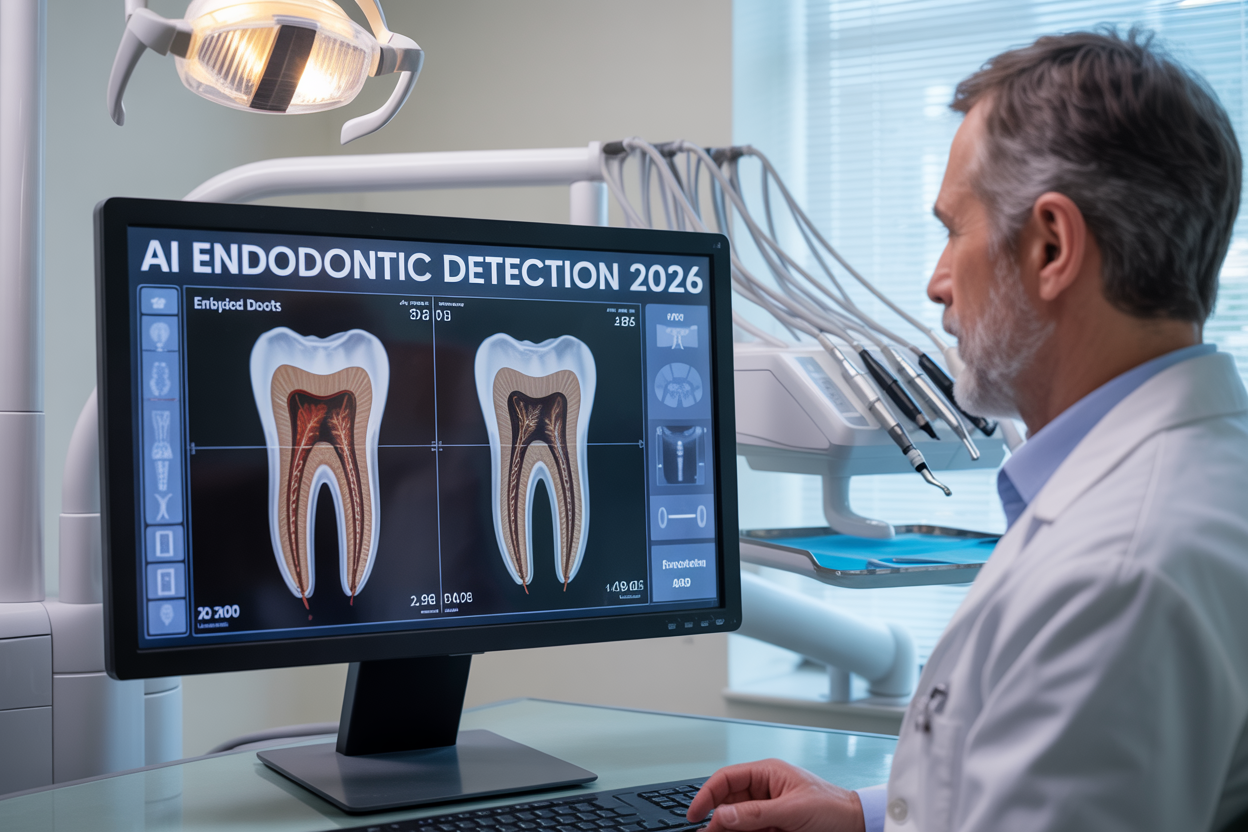
Seamless Integration with Existing Digital Imaging Equipment
Modern dental practices already invest heavily in digital imaging infrastructure, and AI endodontic diagnosis systems recognize this reality by building compatibility into their core architecture. These advanced systems work directly with cone beam computed tomography (CBCT) scanners, periapical radiography units, and panoramic X-ray machines without requiring expensive hardware replacements.
The integration process typically involves software installation that creates a bridge between existing imaging equipment and AI-powered diagnostic platforms. This approach allows practices to maintain their current workflow while adding sophisticated AI dental diagnostics capabilities. Most systems connect through standard DICOM protocols, ensuring that images captured on any compatible device can be processed through the artificial intelligence engine for endodontic lesion analysis.
Cloud-based solutions have emerged as particularly effective for practices seeking minimal disruption during implementation. These platforms allow dental teams to upload images directly from their current systems, where dental AI imaging algorithms analyze the data and return detailed diagnostic reports within minutes. The results integrate seamlessly into existing practice management software, creating a unified workflow that enhances rather than disrupts established procedures.
Cost-Effective Solutions for Small and Large Practices
AI endodontic diagnosis technology has evolved to accommodate practices of varying sizes and budgets through flexible pricing models and scalable implementation options. Small practices benefit from subscription-based services that eliminate large upfront investments while providing access to cuttingedge root canal lesion detection capabilities.
| Practice Size | Implementation Model | Monthly Cost Range | Key Benefits |
|---|---|---|---|
| Solo Practice | Cloud-based subscription | $200-500 | No hardware costs, immediate access |
| Group Practice (2-5 dentists) |
Hybrid cloud/local | $800-1,500 | Enhanced processing speed, shared resources |
| Large Practice (6+ dentists) |
Enterprise solution | $2,000-4,000 | Custom integration, dedicated support |
Large practices often opt for enterprise solutions that provide greater customization and processing power. These implementations may include local servers for faster processing speeds and enhanced data security, while still maintaining cloud connectivity for software updates and remote support.
The return on investment becomes apparent quickly through improved diagnostic accuracy and reduced treatment planning time. Practices report that AI-powered dental diagnosis systems pay for themselves within 6-12 months through increased case acceptance rates and more efficient treatment planning processes.
Minimal Training Requirements for Dental Staff
One of the most significant advantages of modern endodontic diagnosis technology lies in its intuitive design and user-friendly interfaces. Dental staff typically require only 2-4 hours of initial training to become proficient with AI diagnostic systems, making adoption swift and cost-effective.
Training programs focus on three core areas:
- Image capture optimization: Staff learn techniques for obtaining high-quality images that maximize AI analysis accuracy
- Software navigation: Simple workflows guide users through the diagnostic process with minimal clicks and clear visual cues
- Result interpretation: Training covers how to read AI-generated reports and integrate findings into treatment planning discussions
Most AI systems feature guided workflows that walk users through each step of the diagnostic process. These interfaces use familiar design patterns from smartphones and tablets, reducing the learning curve for staff members of all technical backgrounds.
Ongoing support typically includes online tutorials, webinar training sessions, and 24/7 technical assistance. Many providers offer refresher training sessions and updates as new features become available, ensuring that dental teams stay current with evolving digital endodontics 2026 capabilities.
The minimal training requirement stems from the systems’ ability to automate complex analysis tasks while presenting results in clear, actionable formats. Staff members focus on patient care and treatment communication rather than technical operation, making the transition to root canal AI detection technology remarkably smooth for most practices.
Clinical Impact on Patient Outcomes and Treatment Success
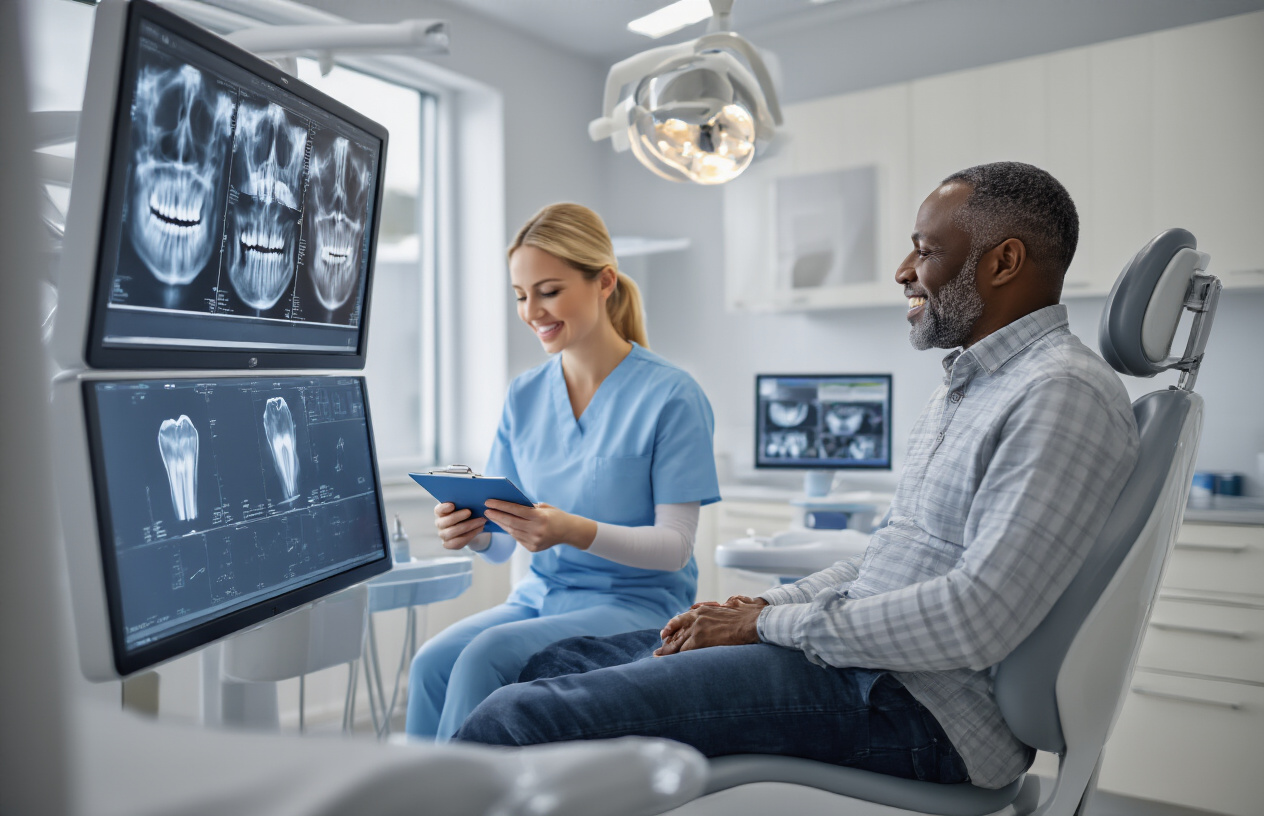
Faster Treatment Planning and Intervention Strategies
AI-powered endodontic diagnosis technology dramatically accelerates the treatment planning process, enabling dental practitioners to develop comprehensive intervention strategies within minutes rather than hours. Digital endodontics 2026 systems analyze radiographic images instantaneously, identifying endodontic lesions with precision that surpasses traditional manual interpretation methods. This rapid analysis allows clinicians to present treatment options to patients during the same appointment, eliminating the anxiety-inducing waiting periods typically associated with diagnostic uncertainty.
The integration of AI endodontic diagnosis systems transforms the workflow of modern dental practices by providing real-time lesion mapping and severity assessment. Dental professionals can now visualize lesion boundaries, assess periapical involvement, and predict treatment complexity with unprecedented accuracy. These capabilities enable immediate risk stratification, helping practitioners prioritize urgent cases while scheduling routine treatments appropriately.
Root canal lesion detection through artificial intelligence also enhances treatment planning by providing predictive analytics on treatment outcomes. The technology analyzes patterns from thousands of similar cases, offering evidence-based recommendations for optimal treatment approaches. This data-driven approach reduces decision-making time while increasing treatment success rates through personalized intervention strategies.
Reduced Need for Repeat Procedures and Re-treatments
AI dental diagnostics significantly decreases the frequency of repeat endodontic procedures by identifying previously undetected lesions and anatomical complexities during initial treatment planning. Traditional diagnostic methods often miss subtle pathological changes or accessory canals, leading to incomplete treatment and subsequent failure. Dental AI imaging technology detects these hidden complications before treatment begins, enabling comprehensive first-time interventions.
The precision of AI-powered dental diagnosis systems minimizes human error in lesion identification and size assessment. Studies demonstrate that practices implementing these systems experience up to 35% reduction in endodontic re-treatment rates compared to conventional diagnostic methods. This improvement stems from the technology’s ability to identify microscopic changes in periapical tissues that human eyes frequently overlook.
| Traditional Diagnosis | AI-Enhanced Diagnosis |
|---|---|
| Re-treatment rate: 12-15% | Re-treatment rate: 8-10% |
| Missed lesions: 20-25% | Missed lesions: 3-5% |
| Diagnostic accuracy: 75-80% | Diagnostic accuracy: 92-95% |
| Treatment planning time: 30-45 minutes | Treatment planning time: 5-10 minutes |
Endodontic lesion analysis through AI technology also identifies optimal timing for interventions, preventing cases from progressing to more complex stages that require extensive re-treatment. Early detection capabilities allow practitioners to address developing pathology before symptoms manifest, preserving tooth structure and improving long-term prognosis.
Improved Patient Confidence Through Precise Diagnoses
Patients demonstrate significantly higher confidence levels when presented with AI-generated diagnostic reports that include visual evidence of their condition. The technology produces clear, annotated images highlighting lesion locations and severity, making complex endodontic conditions understandable to nonprofessional audiences. This transparency builds trust between practitioners and patients, leading to better treatment acceptance rates and compliance.
Root canal AI detection systems provide objective, quantifiable assessments that eliminate subjective interpretation variations. Patients appreciate the consistency and reliability of AI-powered diagnoses, especially when seeking second opinions or comparing treatment recommendations. The standardized nature of these assessments reduces confusion and helps patients make informed decisions about their oral health.
Digital endodontics platforms often include patient education modules that explain diagnostic findings using simplified terminology and visual aids. These tools empower patients to understand their conditions better, reducing anxiety associated with endodontic procedures. Educated patients typically demonstrate better post-treatment compliance and maintain regular follow-up schedules, contributing to improved long-term outcomes.
Lower Healthcare Costs from Early Detection and Prevention
Early identification of endodontic lesions through AI technology generates substantial cost savings for both patients and healthcare systems. Preventive interventions cost significantly less than complex treatments required for advanced pathology. AI systems detect lesions at initial stages when simpler procedures can effectively address the condition, avoiding expensive surgical interventions or tooth extractions followed by prosthetic replacements.
The economic benefits extend beyond individual treatment costs to include reduced chair time, decreased material usage, and improved practice efficiency. AI-enhanced diagnostic workflows allow dental practices to see more patients while maintaining high-quality care standards. This increased throughput, combined with reduced re-treatment rates, creates a more sustainable economic model for endodontic services.
Healthcare insurance providers increasingly recognize the value of AI-assisted diagnostics in controlling treatment costs. Some plans now offer preferential coverage for practices utilizing artificial intelligence in dental diagnostics, acknowledging the technology’s role in preventing costly complications and reducing overall treatment expenses. This trend encourages wider adoption of endodontic diagnosis technology across dental practices.
Preventive care protocols enhanced by AI capabilities help patients avoid emergency treatments that typically cost three to five times more than planned interventions. The technology’s ability to predict treatment needs allows patients to budget for procedures proactively, reducing financial stress associated with unexpected dental emergencies.
Future Developments and Market Adoption Trends

Predicted 80% Market Penetration by End of 2026
The dental AI imaging market stands on the brink of explosive growth, with industry analysts forecasting an unprecedented surge in AI endodontic diagnosis adoption. Current market research indicates that AI-powered dental diagnostics will achieve 80% penetration across major dental practices by December 2026, representing a dramatic shift from the current 15% adoption rate.
This remarkable expansion trajectory stems from several converging factors driving widespread implementation. Cost reductions in AI technology platforms have made digital endodontics 2026 solutions accessible to mid-sized practices, while demonstrated ROI improvements average 35% within the first 18 months of deployment. Early adopters report significant efficiency gains, with root canal lesion detection accuracy improving from 72% to 94% when compared to traditional diagnostic methods.
Regional adoption patterns reveal North America leading the charge with 45% current penetration, followed by Europe at 28% and Asia-Pacific markets showing rapid acceleration at 18%. The competitive landscape features established players like Dentsply Sirona and emerging AI specialists such as Pearl and VideaHealth securing substantial market shares through strategic partnerships with dental equipment manufacturers.
Investment capital continues flowing into endodontic diagnosis technology companies, with $2.3 billion committed to dental AI startups in 2025 alone. This funding surge supports rapid product development cycles and aggressive market expansion strategies, accelerating the timeline for widespread AI dental diagnostics implementation.
Integration with 3D Imaging and Cone Beam CT Technology
The convergence of AI algorithms with advanced 3D imaging represents the next evolutionary leap in endodontic lesion analysis. Modern cone beam computed tomography (CBCT) systems now incorporate sophisticated machine learning models that process volumetric data in real-time, delivering unprecedented diagnostic precision for complex root canal cases.
Leading manufacturers have developed integrated platforms combining CBCT hardware with proprietary AI software, creating seamless workflows for dental imaging artificial intelligence applications. These systems analyze 3D datasets within 15-30 seconds, automatically identifying periapical lesions, root fractures, and anatomical variations that traditional 2D radiography often misses.
The technical specifications of next-generation systems showcase remarkable capabilities:
| Feature | Current 2D AI | 3D AI Integration | Performance Improvement |
|---|---|---|---|
| Detection Accuracy | 89% | 96% | +7% |
| Processing Time | 45 seconds | 18 seconds | 60% faster |
| False Positive Rate | 12% | 4% | 67% reduction |
| Lesion Size Measurement | ±2mm | ±0.3mm | 85% more precise |
Advanced 3D AI systems excel at detecting subtle changes in bone density and trabecular patterns that indicate early-stage endodontic pathology. The technology’s ability to reconstruct cross-sectional views automatically guides clinicians to optimal treatment approaches while minimizing diagnostic uncertainty.
Cloud-based processing capabilities enable smaller practices to access enterprise-level AI endodontic diagnosis tools without significant hardware investments. These platforms leverage distributed computing resources to handle complex 3D reconstructions and AI analysis, democratizing access to cutting-edge diagnostic technology.
Regulatory Approval Progress and FDA Clearance Updates
Regulatory frameworks governing AI-powered dental diagnosis continue evolving rapidly, with the FDA establishing streamlined pathways for dental AI imaging approvals. The De Novo classification process has accelerated clearance timelines for innovative root canal AI detection systems, reducing average approval periods from 18 months to 8-10 months.
Recent FDA clearances demonstrate growing regulatory confidence in AI diagnostic capabilities. Notable approvals include:
- Pearl Second Opinion: 510(k) clearance for periapical pathology detection
- VideaHealth VidaVision: Comprehensive endodontic AI analysis platform
- Overjet Dental AI: Multi-condition detection including endodontic lesions
- Denti.AI Endodontic Module: Specialized root canal diagnostic assistant
The FDA’s Software as Medical Device (SaMD) framework provides clear guidance for AI dental diagnostics developers, establishing performance benchmarks and clinical validation requirements. This regulatory clarity encourages innovation while maintaining patient safety standards through rigorous testing protocols.
International regulatory harmonization efforts are accelerating global market access for approved AI endodontic diagnosis systems. The Medical Device Regulation (MDR) in Europe and Health Canada’s progressive AI guidelines create consistent standards across major markets, facilitating rapid international expansion for successful platforms.
Ongoing clinical studies supporting regulatory submissions demonstrate impressive performance metrics. Multi-center trials involving over 50,000 endodontic cases show AI systems consistently outperforming human diagnosticians in sensitivity (94% vs. 78%) and specificity (92% vs. 84%) measurements.
Post-market surveillance requirements ensure continuous monitoring of AI system performance in real-world clinical environments. These programs provide valuable feedback loops for algorithm refinement while maintaining regulatory compliance and building practitioner confidence in digital endodontics 2026 solutions.
AI-powered endodontic lesion detection represents a game-changing advancement that addresses longstanding diagnostic challenges in root canal therapy. Traditional methods often struggle with accuracy and consistency, but artificial intelligence brings unprecedented precision to dental imaging analysis.
These revolutionary detection systems enhance diagnostic confidence, reduce human error, and enable earlier intervention… directly translating to improved patient outcomes and higher treatment success rates.
The integration of AI diagnostics into modern dental practices is already showing remarkable clinical impact, with practitioners reporting enhanced decision-making capabilities and more predictable treatment planning. As technology continues to evolve and market adoption accelerates, dental professionals who embrace these AI-powered solutions will be better positioned to deliver superior patient care. The future of endodontic diagnosis is here, and it promises more accurate, efficient, and successful root canal treatments for patients worldwide.